
What happens to a wedding when the power goes out?
Always Energy ·
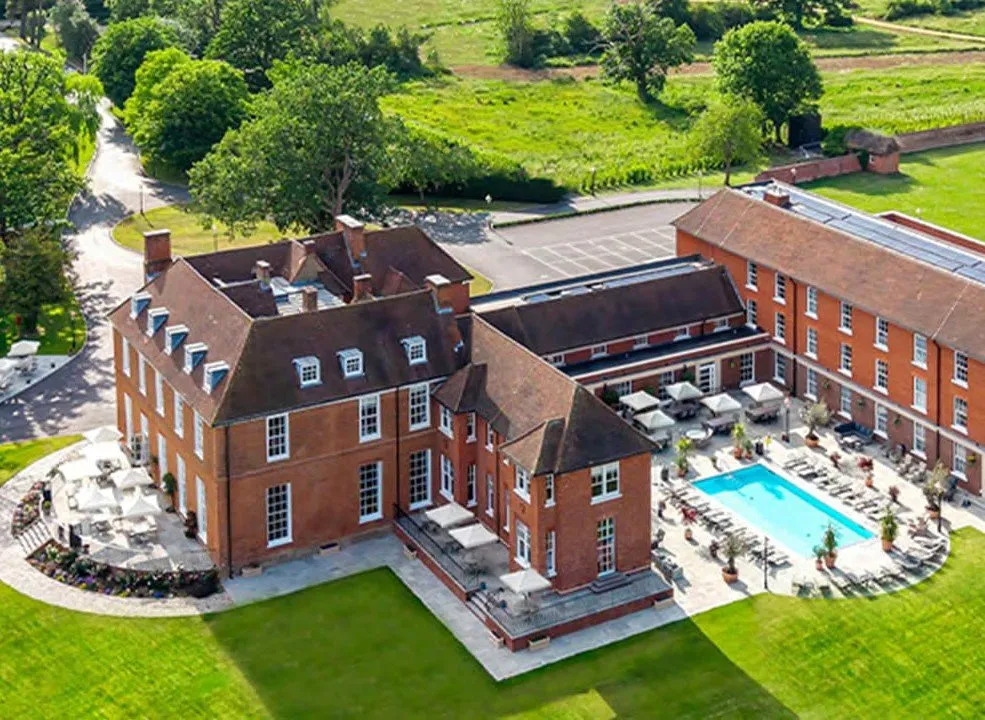
When the power goes out at a wedding, everything that makes the day work stops at once: the lights, the band’s sound system, the kitchen, the bar tills and often the heating. Guests are left in the half-dark, dinner stalls and the couple remember the cut rather than the speeches. A venue can stop this happening by installing battery storage that takes over the supply the moment the grid drops, so the evening carries on and most guests never know anything happened.
Backup power for wedding venues: a reminder from Monday
On Monday 28 September 2026, the National Energy System Operator (NESO) issued an electricity margin notice, warning of a potentially tight period for Britain’s grid between 4pm and 7pm. Shortly after 4pm it cancelled the notice, once generators had restored the margin it needed. NESO was clear that this was not a warning of power cuts and that supplies remained secure (The Independent, 28 September 2026).
Nothing went wrong. But look at the hours. Between 4pm and 7pm is when many receptions are serving dinner, the speeches are starting and the band is setting up. The grid was at its tightest just when a wedding venue needs it most. And a local fault or a storm can cut a venue’s supply on any evening, whatever the national picture.
What stops first
When the supply fails, a venue loses several things at the same moment.
Lighting. The dining room, the marquee and the paths through the grounds go dark. Emergency lighting comes on, but it is there to get people out safely, not to serve dinner by.
Sound. The PA, the band’s amplifiers and the DJ’s decks fall silent, mid-song or mid-speech.
The kitchen. Electric ovens, induction hobs, extraction and dishwashers stop. Fridges and cold rooms begin to warm.
The bar. Tills, card machines and Wi-Fi go down, so guests cannot pay and staff cannot take orders.
Comfort. Heating pumps, air handling and hot water stop. In a spa, the pool and treatment-room plant stops too.
Getting around. Lifts stop, and electric gates and door entry may not work.
A cut of a few minutes can be enough to lose the moment. A long one can end the evening.
What the couple remember
Couples choose a venue for one day, and they remember how that day felt. If the lights went out during the first dance, that is the story they tell their friends, and it is the story that ends up in the reviews. For a hotel or estate that relies on weddings and events, protecting that one evening matters more than almost anything else in the building.
Why a generator alone is not the whole answer
Many venues rely on a diesel generator, or hire one in for large events. Generators are useful, but they have limits. A standby generator has to sense the fault, start and come up to speed before it takes the load, so there is usually a gap while the lights are out. Generators are noisy and give off fumes, which is hard to hide from a garden ceremony. And they need fuel, testing and maintenance to be ready on the one night they are needed.
How battery storage keeps the day going
A battery system sits between the grid and the building. While the grid is healthy, the batteries stay charged. When the supply fails, the inverters switch the building’s protected circuits over to the batteries. Victron says its MultiPlus-II inverter-chargers take over in less than 20 milliseconds, fast enough that computers and other electronic equipment keep running without disruption (Victron Energy). For guests, the music simply carries on.
We use BYD batteries with Victron inverters and control. For larger sites, BYD’s MC Cube puts more storage into a single container. The kit can go in an existing plant room, in a container, or in a Pratic Connect pergola “energy centre” that looks like part of the garden architecture rather than plant.
A battery system can also be designed to work alongside a generator you already have. The batteries cover the moment the grid drops, and the generator can support a longer cut.
A working example: West Court Retreat
Our flagship project is West Court Retreat in Berkshire, which has 2 MWh of BYD battery storage with Victron inverters and control. It gives the retreat a large store of power on site, so its guests and events do not depend only on the local network.
How to plan for it
Planning starts with a site survey. We look at four things.
What must stay on. Usually the kitchen, lighting, sound, refrigeration, heating and any spa plant.
How long you need to cover. A cut during the speeches is a different problem from a storm that takes the local network down overnight.
Where the kit can go without spoiling the view or the guest experience.
Your grid supply. It needs to recharge the batteries and may also need to carry EV chargers or solar in future. Our grid connections page explains the options.
In the meantime, three simple steps help any venue.
- Keep the power cut number to hand. In Great Britain, 105 puts you through to your local network operator.
- Agree with your wedding coordinators and suppliers what happens if the power fails, and who does what.
- Walk the venue with the lights off once a year and check that the emergency lighting works.
Frequently asked questions
Do hotels have backup power?
Hotels have emergency lighting so guests can get out safely, and some also have a standby generator. Fewer have battery storage, which keeps the lights, kitchen and sound running without a gap when the grid drops.
Will guests notice when the batteries take over?
In most cases, no. Victron says its MultiPlus-II inverter-chargers switch over in less than 20 milliseconds, so lights, music and computers keep running. We design each system around the circuits you need to protect.
How long will a battery keep a wedding going?
It depends on the size of the system and what it has to power. We size each system after a free site survey, based on the loads you need to keep on and for how long.
Can a battery work alongside our existing generator?
Often, yes. A battery system can be designed to work alongside a generator you already have. The batteries cover the moment the grid drops, and the generator can support a longer cut. We check how the two fit together during the site survey.